
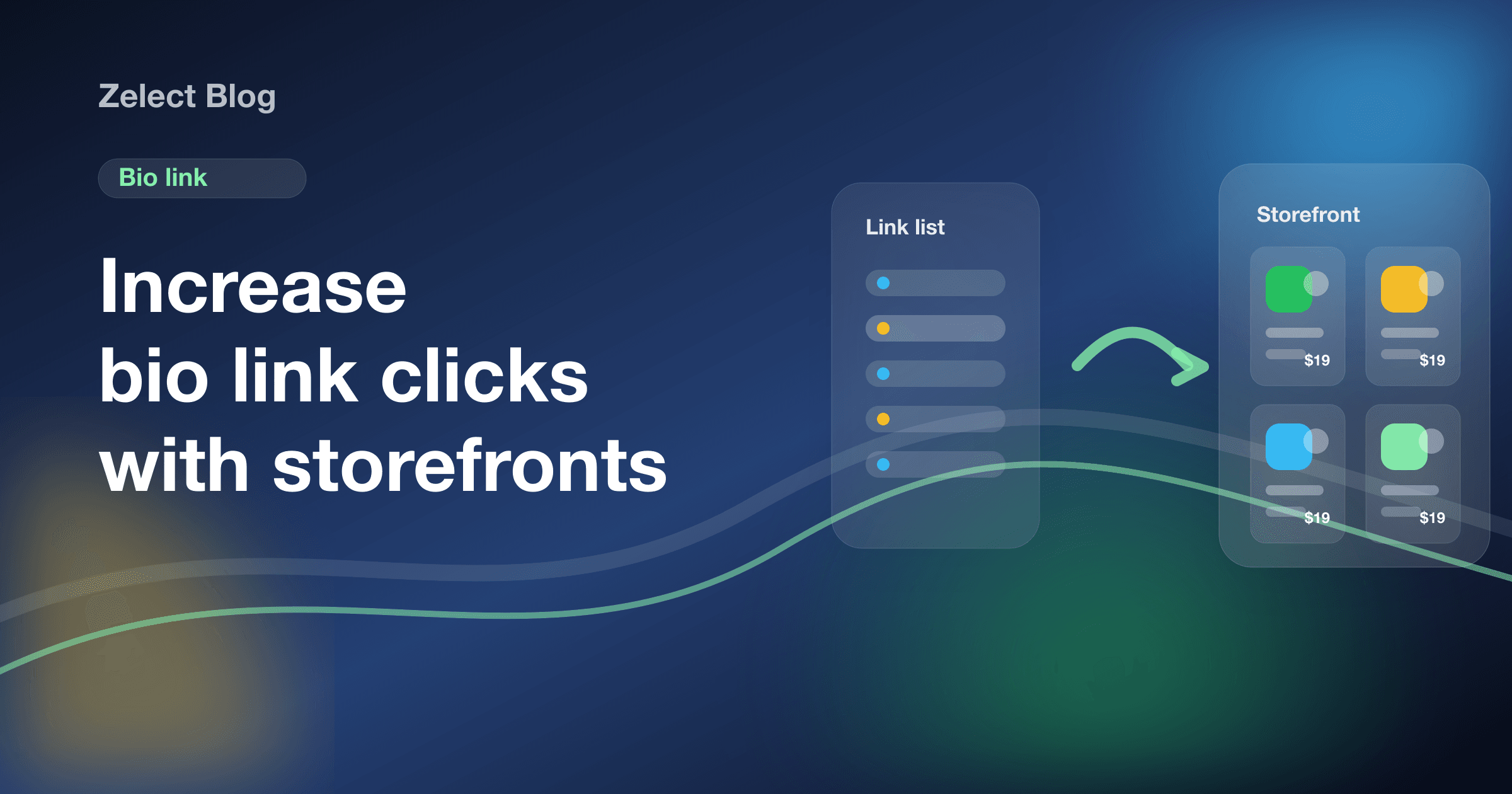
The bio link is one of the most valuable spaces for anyone selling through affiliate links. It appears on Instagram, TikTok, YouTube, Threads, and almost every channel where creators publish content. Still, many creators treat that link like a storage box: they add a long list of URLs and expect the audience to figure out where to click.
The problem is that most people do not want to search. Someone who opens your bio link usually came from a specific piece of content: a story, a reel, a short video, or a recommendation in a group. If the destination page does not help them quickly find the right product, the click is lost.
An affiliate storefront solves this bottleneck because it turns the bio link into a simple, visual, and organized shopping experience.
The mistake of treating every click the same
Not every visitor arrives with the same intent. Some people want to buy the exact product they just saw in a story. Others are browsing out of curiosity. Others want to compare prices or save ideas for later.
When you send everyone to a flat list of links, you ignore those differences. Someone interested in a kitchen product has to pass through setup gear, beauty products, organization items, and old promotions. Every second of uncertainty reduces the chance of a click.
A well-structured storefront separates navigation by context. Someone who came for "kitchen finds" sees a kitchen category. Someone looking for "gifts under $50" finds a specific collection. The visitor does not need to interpret your page; they follow the most obvious path.
Start with the promise of the content
Your bio link converts better when the destination page immediately confirms the promise that brought the visitor there.
If your reel shows "5 products to organize a small apartment", your storefront needs a clear category for that theme. If you publish "best deals of the week", that category should appear near the top while the campaign is active.
This alignment between content and destination is more important than having many products. A storefront with 20 well-organized products can generate more clicks than a page with 200 scattered links.
Before promoting any content, ask:
- Which product or category will the visitor look for?
- Is that category visible without effort?
- Is the name used in the content the same name used in the storefront?
- Do the main products appear first?
The shorter the distance between the content and the product, the higher the chance of conversion.
Use categories as mental shortcuts
Categories do more than organize products. They help visitors decide where to click.
Generic names like "my links", "products", or "finds" require interpretation. Specific names reduce friction:
- "Practical kitchen"
- "Setup and home office"
- "Organized home"
- "Gifts under $50"
- "Deals of the week"
- "Monthly favorites"
These names work because they communicate a situation, desire, or price range. The visitor quickly understands whether that collection is relevant.
A strong storefront usually has a few main categories and one or two temporary categories. If everything becomes a category, the page becomes as confusing as a list of links.
Show image and price before the click
In affiliate marketing, the most valuable click is the qualified click: a person who understands the product, saw the approximate price, and still wants to open the store.
That is why cards with images and prices matter so much. The image helps the visitor recognize the product they saw in your content. The price filters curiosity. The buy button makes the next step clear.
Without these elements, the visitor clicks blind. They only discover whether the product makes sense after leaving your page and opening the marketplace. That produces less qualified traffic and reduces trust in your curation.
When reviewing your storefront, prioritize:
- Clear and recognizable images
- Short, descriptive names
- Updated prices
- Main products at the top of each category
- Simple button text like "View product" or "Shop"
The goal is to help the visitor decide before leaving your storefront.
Highlight what is active now
A static page tends to lose strength over time. Your audience needs to feel that it is worth coming back.
A simple way to create that movement is to keep a featured category at the top of your storefront. It can change throughout the week:
- "Deals of the week"
- "Most clicked"
- "New today"
- "Finds under $25"
- "Gift favorites"
This area works like your main display. It shows that the page is alive and helps returning visitors quickly see what changed.
If you promote products every day, update this category often. If you publish less frequently, a weekly review is enough to keep the experience fresh.
Make specific calls on social channels
"Link in bio" is a weak call because it does not say what the person will find. It works better when you add direction.
Compare:
Weak: "link in bio"
Better: "link in bio, under Practical kitchen"
Even better: "link in bio, first product under Practical kitchen"
The more specific the call, the less work the visitor has to do. This is especially important in stories and short-form videos, where people decide in seconds whether to continue or leave.
It also helps to repeat the same category name in the video, caption, and storefront. Consistency reduces confusion.
Remove what gets in the way
Increasing clicks is not only about adding products. Often, the improvement comes from removing friction.
Review your storefront and look for:
- Sold-out products
- Prices that no longer match the store
- Categories with only a few weak items
- Old products that no longer get clicks
- Duplicate links
- Long marketplace titles copied directly into the page
A smaller, updated, and clear storefront builds more trust than a large and messy one.
The bio link as a sales channel
When you use a storefront, the bio link stops being just a pass-through page. It becomes its own sales channel: it receives traffic from your content, organizes buying intent, and sends more qualified clicks to marketplaces.
That shift in mindset matters. Instead of asking "how many links can I fit here?", ask "what is the simplest path for someone to find the product they just saw?".
More bio link clicks do not depend only on stronger calls to action. They depend on clarity. When your storefront confirms the promise of the content, organizes products by context, and shows image and price before the click, your audience finds what they want with less effort. And less effort almost always means more conversion.